
The Bazaar PvP Or PvE? Combat and Ghosts Explained
The Bazaar PvP or PvE? Learn how ghost opponents, automatic combat, and monster encounters work, plus what playing at your own pace means for your runs.
Jump to
Is The Bazaar PvP or PvE?
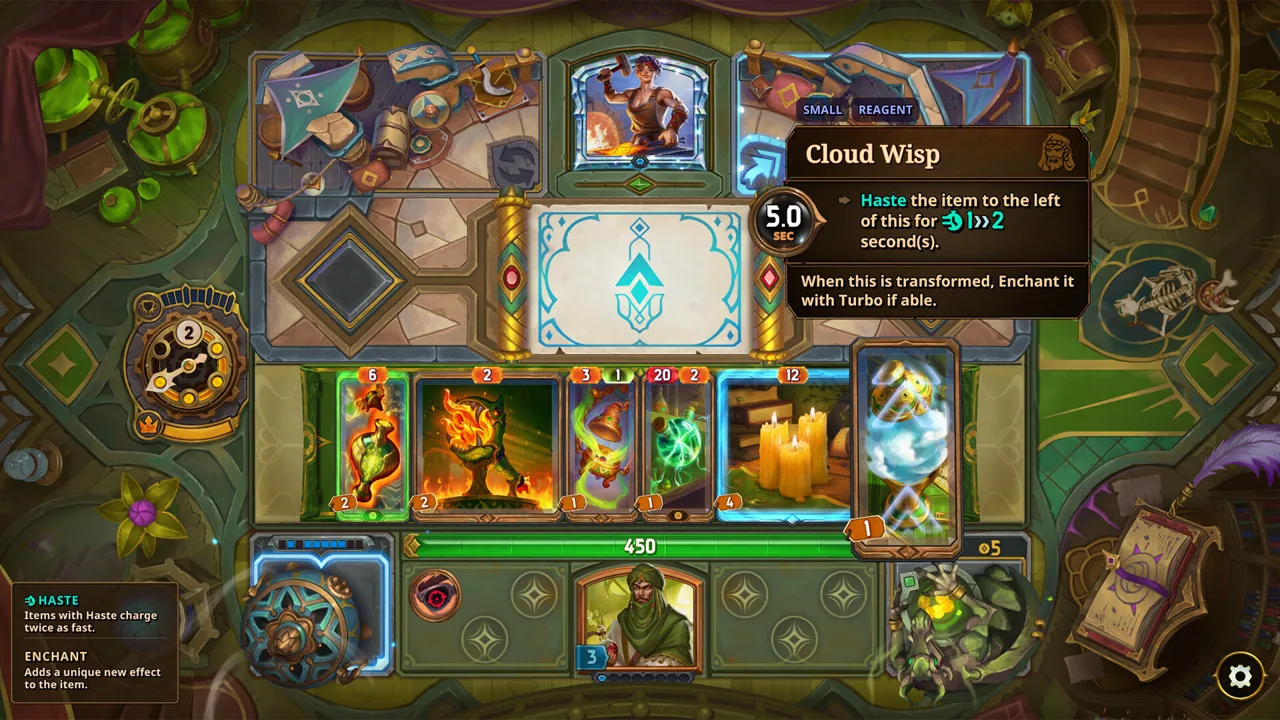
The Bazaar PvP or PvE question has a straightforward answer: the game combines PvE encounters with asynchronous PvP against other players’ saved builds. That distinction matters because you can take your time making decisions while still facing strategies created by human opponents. Combat resolves automatically, so your preparation determines how your board performs.
You choose a hero, collect items, arrange your board, and develop combinations through shops and encounters. Monster battles provide the PvE side, while player-built opponents bring competitive variety into the same run.
The experience blends the branching choices of a roguelike with an auto-battler’s emphasis on item interactions and positioning.
Official page: The Bazaar (playthebazaar.com)
How Asynchronous PvP and Ghost Opponents Work
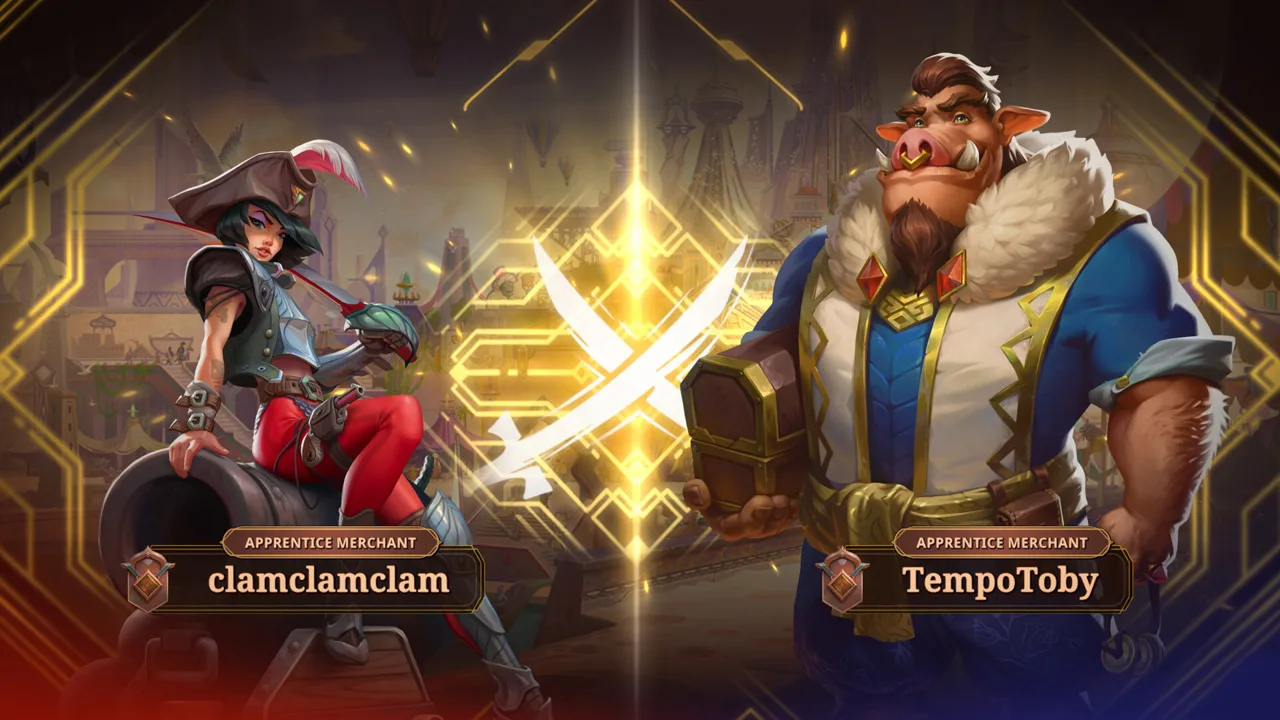 Image: Steam / Tempo
A ghost is a saved version of another player’s build. When you fight one, its board battles yours automatically. You’re competing against decisions someone else made without sharing a live lobby or waiting for that person to act.
This explains why the game can feel like a solo adventure while still being competitive. You control your own pace, but human-built combinations remain part of the challenge.
The distinction between asynchronous play and automatic combat is useful:
- Asynchronous play lets you progress without coordinating your decisions with another player’s schedule.
- Automatic combat means your assembled board executes its effects during the fight.
Your opponent’s build can contain combinations you haven’t encountered before. A comfortable monster victory therefore doesn’t guarantee the same result against a player ghost.
Take time to read your items and inspect positioning before entering combat. The strategic work happens while building your setup; you don’t manually choose a sequence of cards once the battle starts.
What PvE Adds to a Run
PvE includes battles against fantastical creatures alongside encounters with merchants and other characters. These give your hero opportunities to develop between competitive fights.
 Image: playthebazaar.com
Monster encounters also demand judgment. Choose fights that your current board can handle rather than assuming every available enemy is equally manageable. Consider how your items work together before committing to a tougher opponent.
The November 4, 2026, Patch 20.0: Tiny World Expedition added more of this adventure content:
| Content | Encounter details |
|---|---|
| Tiny World | An expedition requiring a Tiny World Expedition Ticket |
| Barnacle Bigwig | A Coconut Crab monster with a unique loadout |
| Bananniboss | A Banannibal monster with a unique loadout |
| Sprout | An encounter offering a free item exclusive to Tiny World |
The same update gave Travel Agent the ability to offer the Tiny World Expedition ticket, plus a “Surprise Me” option costing 6 Gold for a random ticket. Partner Portal entered the normal encounter rotation and can appear on Days 1 to 5, with Partner Skills providing a 50% discount on items from that Hero. Thieves Guild became accessible only through Thieves Guild Medallion.
These encounters illustrate the PvE side’s identity: authored characters, specific monster loadouts, and opportunities to acquire items. Fighting a ghost instead tests your board against a setup assembled by another player.
How to Approach Combat Without a Decision Timer
The game lets you plan without a real-time decision timer. You can step away from your decisions without keeping a live opponent waiting, then return to developing your build.
Use that breathing room deliberately:
- Read item interactions before buying. Build around effects that support one another.
- Review your board’s arrangement. Positioning can change how a combination performs.
- Adapt to the choices you receive. Each run presents a different collection of items and encounters.
- Separate preparation from execution. Finish your adjustments before starting an automatic fight.
You can build around one powerful item or connect several effects into a larger combination. Both approaches fit the game’s combat system; the challenge is assembling a board that works with the opportunities your run actually gives you.
Continue exploring
The Bazaar Player Count: Steam Stats and 2026 Trends
Explore The Bazaar player count, Steam peaks, monthly averages, and recent updates to see how active the game is and what the numbers mean for your runs.
The Bazaar Guide: Beginner Tips for Stronger Builds
Use The Bazaar guide to build stronger boards, manage gold, win monster fights, and understand combat effects while pushing toward a full ten-win run.
Join the community
Official channels for news, updates and player help: